
Pollinators
Bees
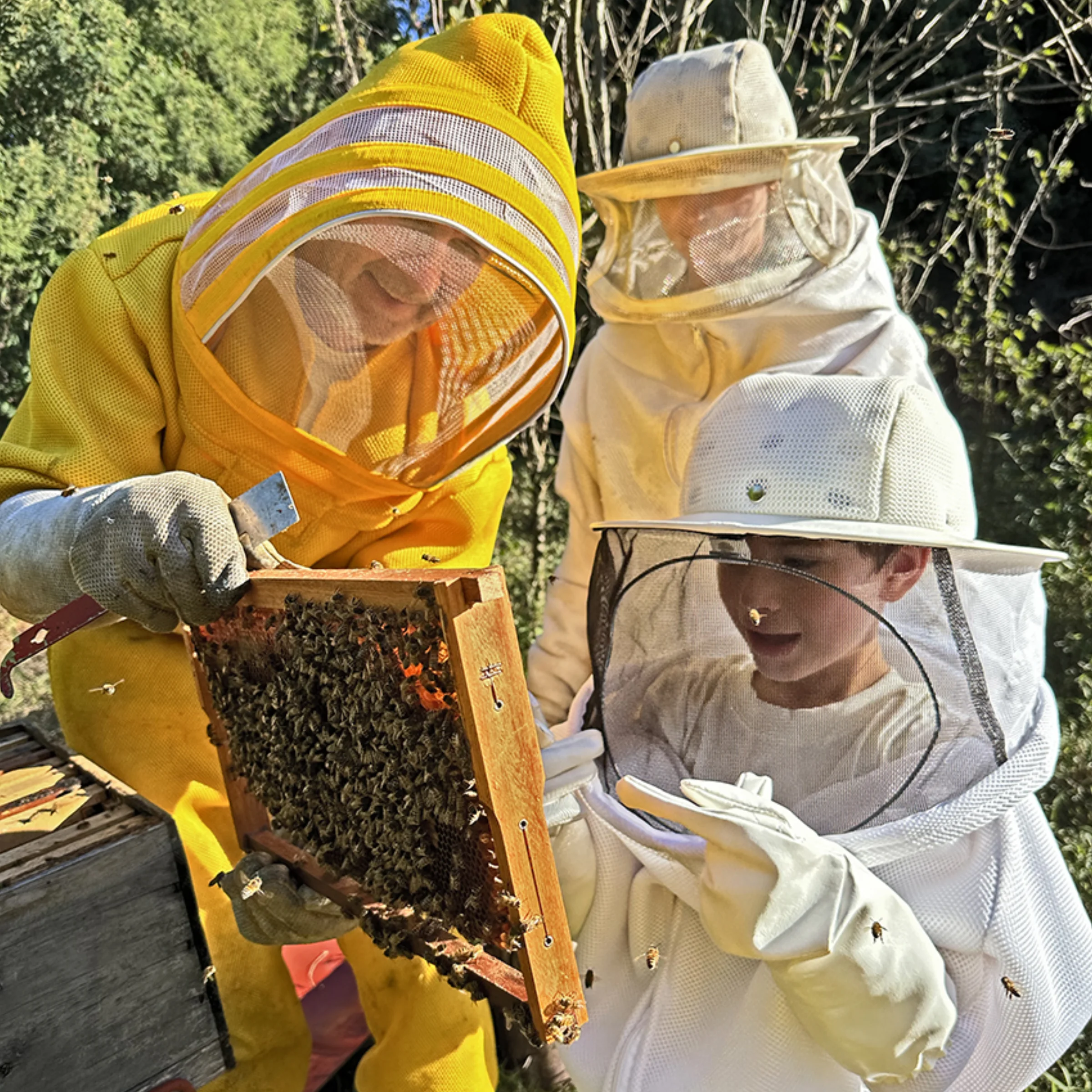
Apiculture (with Apis mellifera) and meliponiculture (with native stingless bees) at the Mountaineer's Natural Reserve serve two roles at once: they strengthen forest pollination and generate sustainable income from the living forest.
- 11
- Apiaries (Apis mellifera)
- 150
- Stinging-bee colonies
- 5
- Meliponaries (native stingless bees)
- 5 species
- Mandaçaia, guaraipo, tubuna, manduri, jataí
Pollinators as a conservation pillar
The quote attributed to Albert Einstein — "if bees disappeared from the face of the Earth, humanity would only have four more years of existence" — may be exaggerated in form, but precise in substance: the disappearance of pollinators is one of the greatest global threats to environmental balance and food security today.
Beekeeping and meliponiculture, when practiced with care, offer direct benefits to biodiversity — they increase pollination, stimulate forest regeneration and improve regional agricultural productivity, all with minimal environmental impact.
Stinging and native stingless bees
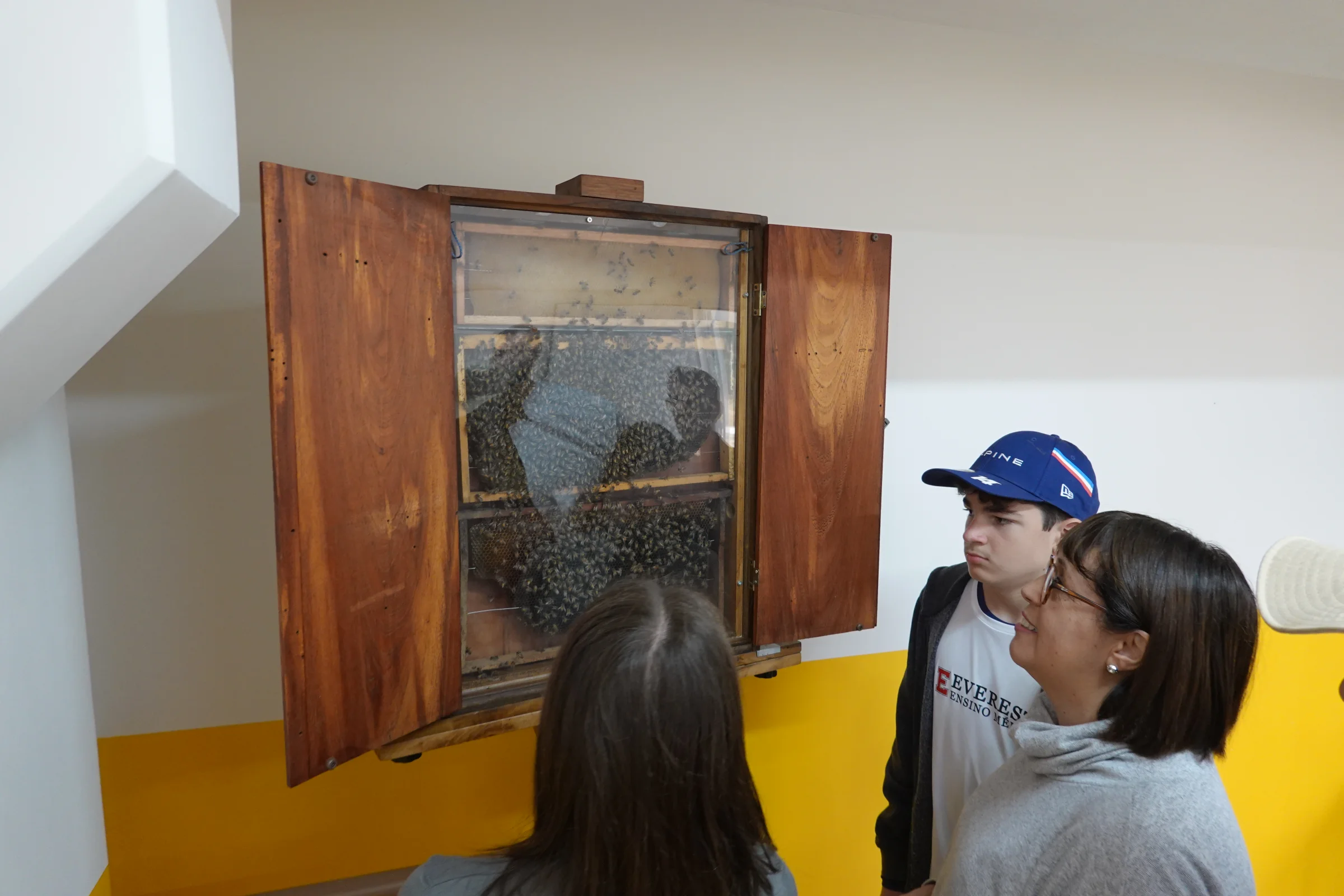
The Natural Reserve maintains 11 apiaries with 150 colonies of Apis mellifera (the Africanized European honey bee, with sting) and 5 meliponaries with native stingless bees — Brazilian species of very high ecological value:
- Mandaçaia (10 colonies)
- Guaraipo (4 colonies)
- Tubuna (5 colonies)
- Manduri (5 colonies)
- Jataí (5 colonies)
Each native species plays its own ecological role in the Araucaria Forest. Bringing them back — where they were gone or in decline — is one of the most direct ways to "reconnect" the ecosystem.
The Honey House
The Natural Reserve's Honey House is a 260 m² processing unit built to the Ministry of Agriculture's standards. Equipped with modern hygiene structure, it enables qualified production of honey, pollen and propolis, access to growing markets that demand natural and sustainable products, and training for local producer families.
Apiculture and meliponiculture at the Natural Reserve
Get in touch with the Natural Reserve
Ask questions, schedule a visit, explore partnerships or order from the shop.